Question
How can computer vision produce new forms of image-making, rather than only interpret images?
Context
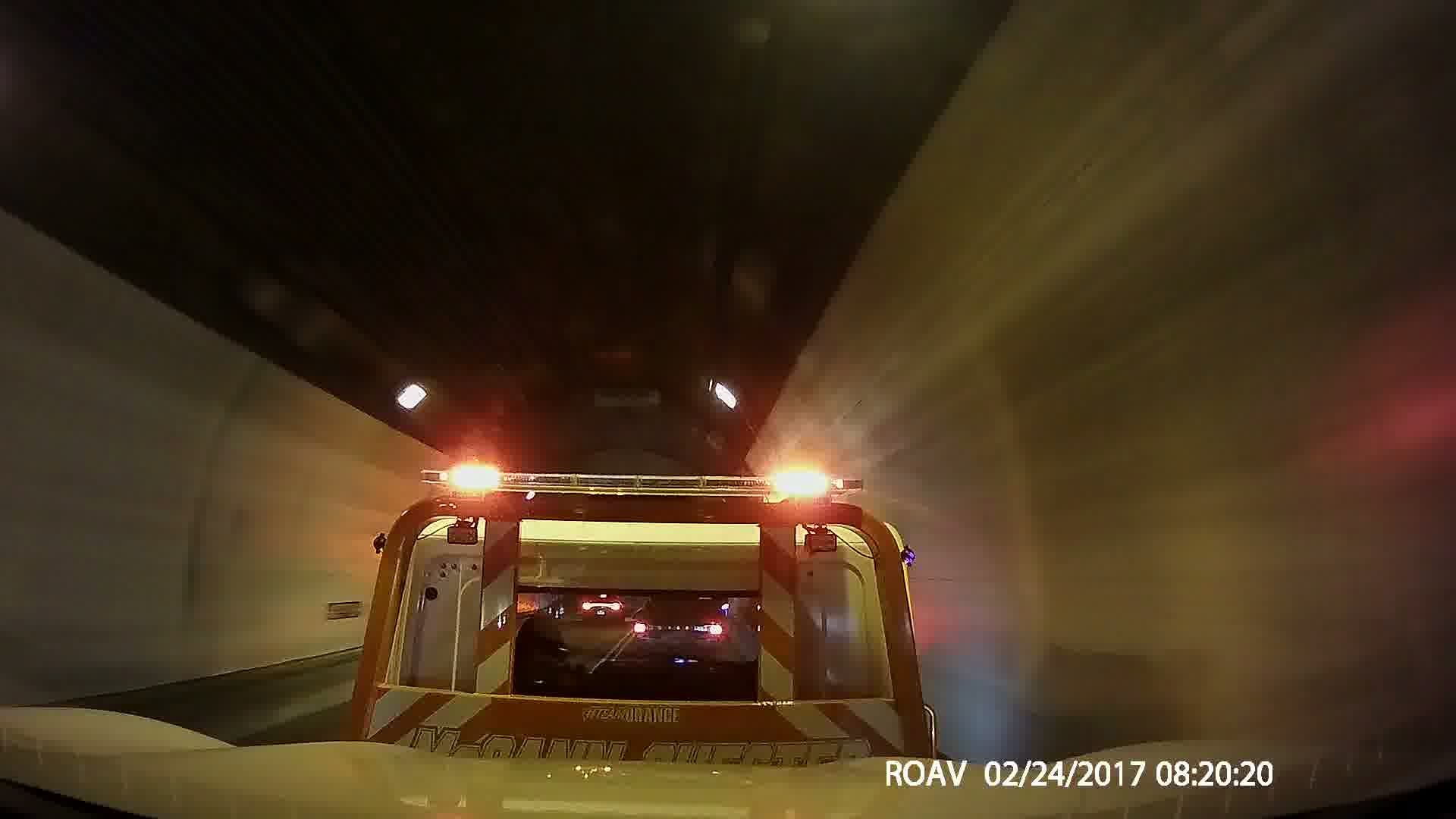
I drive a lot. This year I made ten 10-hour road trips between Pittsburgh and the Midwest, and left a dashcam running the whole way — through a towing incident, two snowstorms, a swerve on I-76. The footage accumulated into hours of highway, weather, and road texture: everything a car processes automatically and nobody watches.
Experiments & technical approach
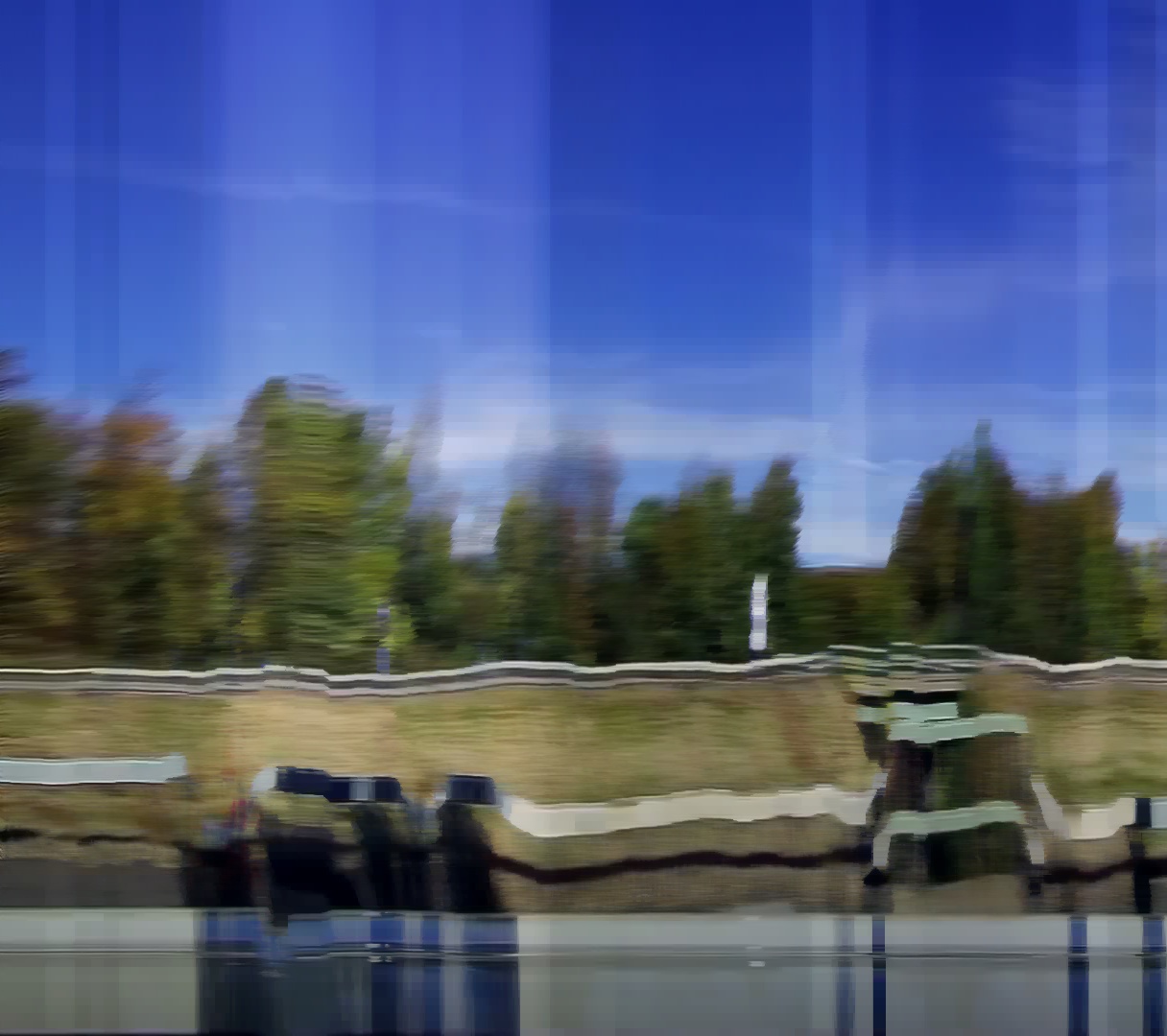
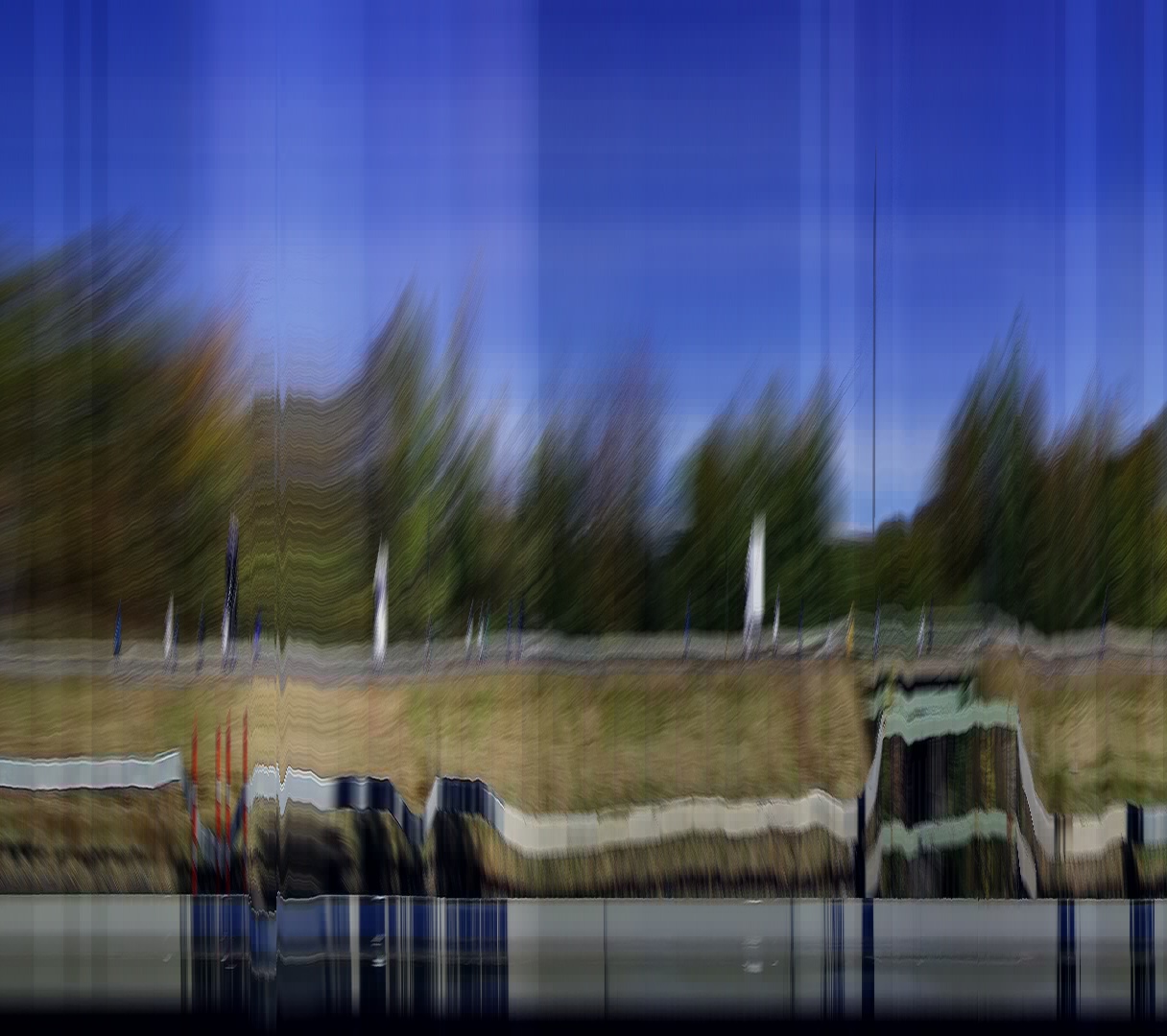
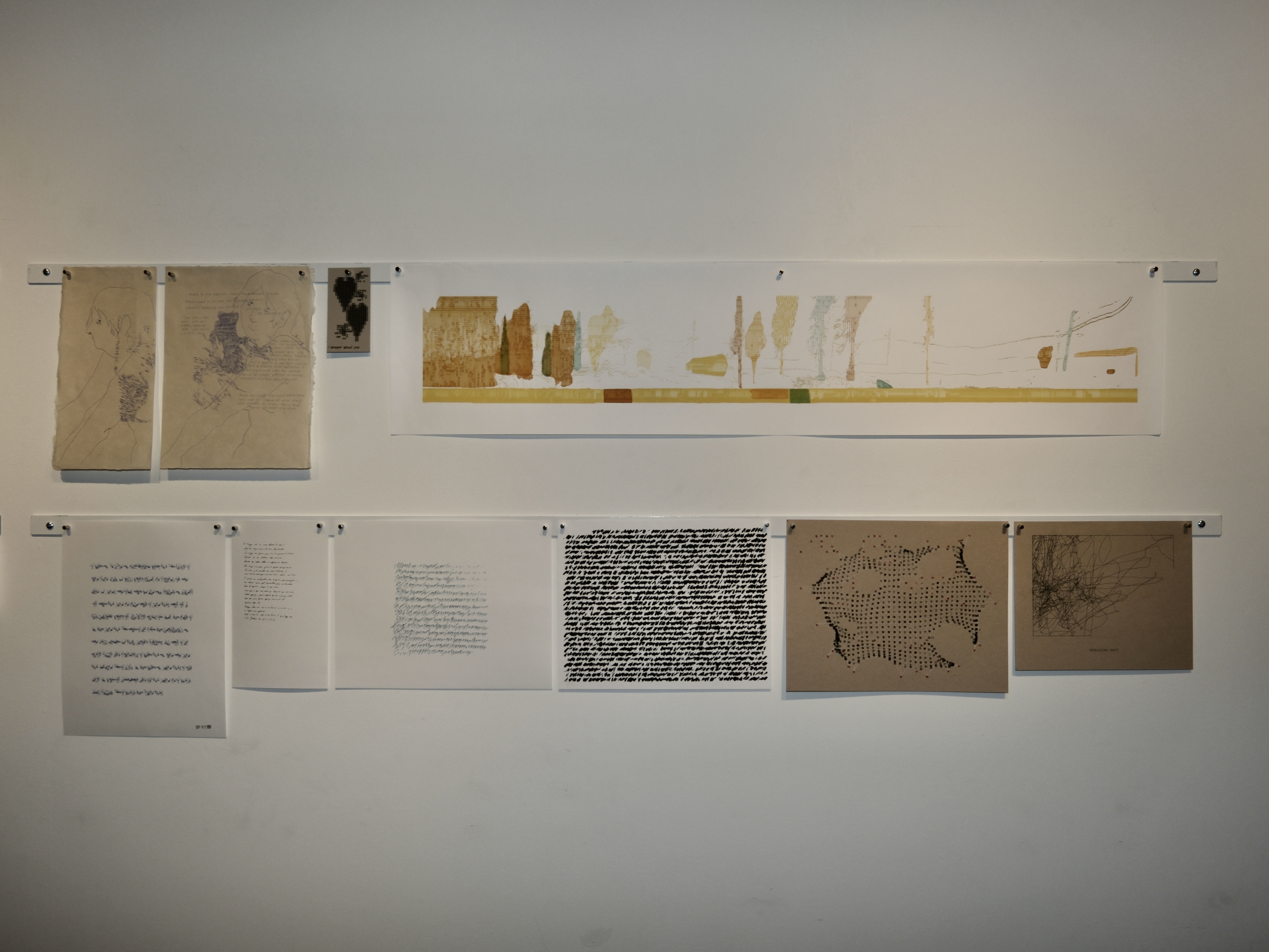
Digitally, slit scans collapse each frame to a single column and concatenate across time, compressing three hours of interstate into a single image. Text-prompted segmentation with SAM3 isolated "snow" after a February storm; lens distortion correction via OpenCV chessboard calibration enabled 3D Gaussian splat reconstruction from the corrected frames. The snow segmentation produced something unexpected: sneckdowns, the informal pedestrian desire paths visible in snow that trace how people actually move through intersections — ghosts of human presence in footage that wasn't looking for them.

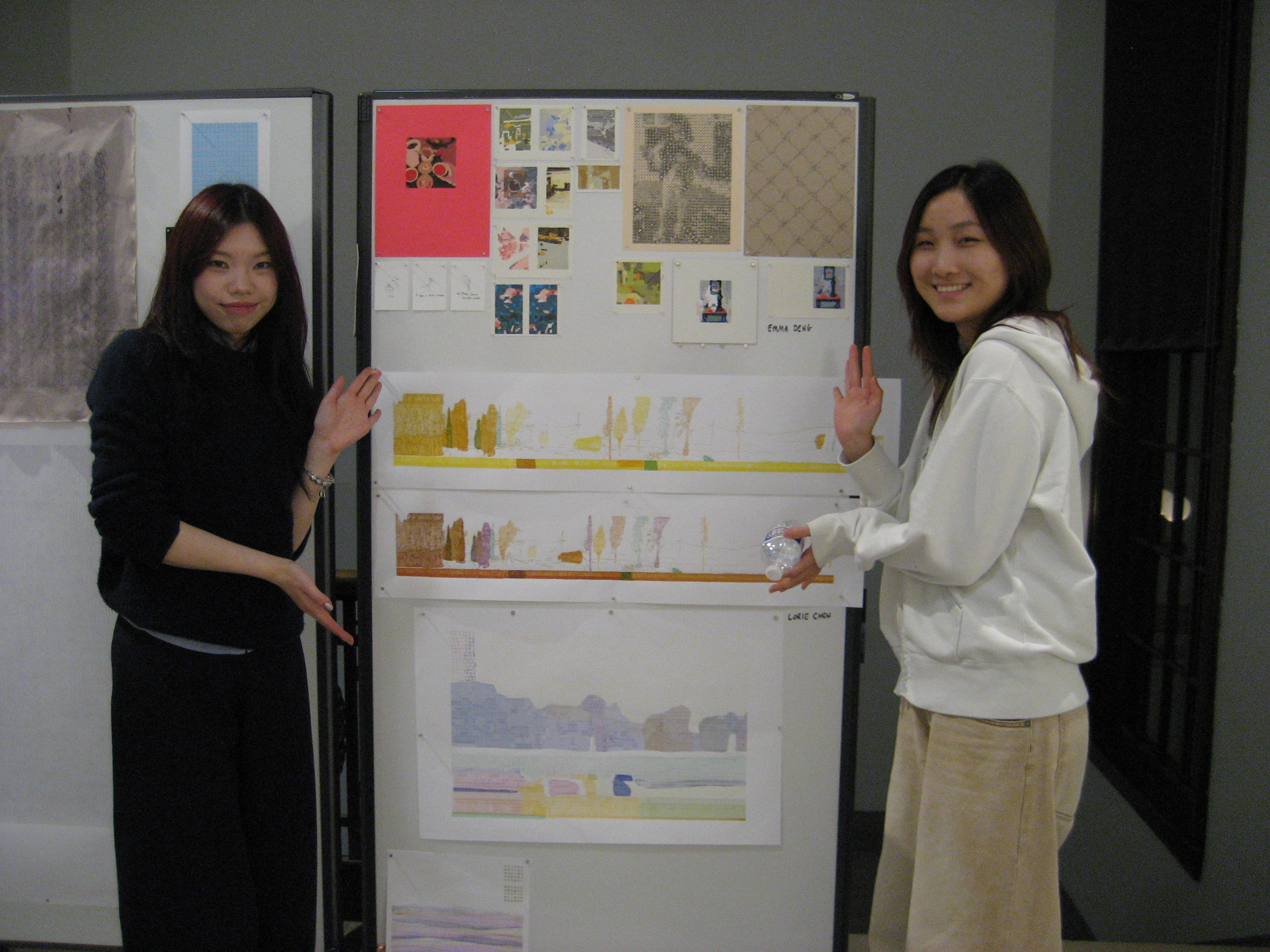
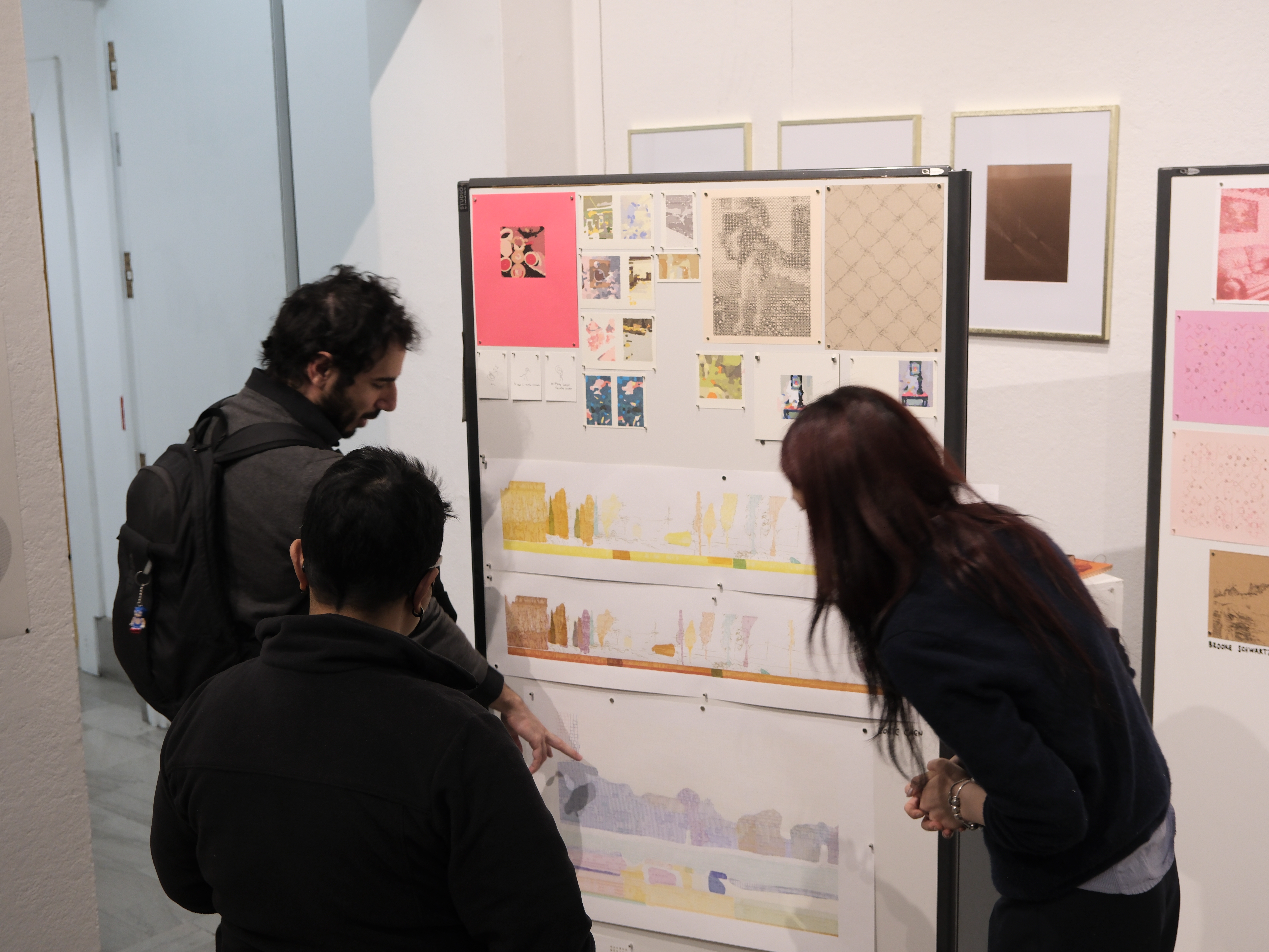
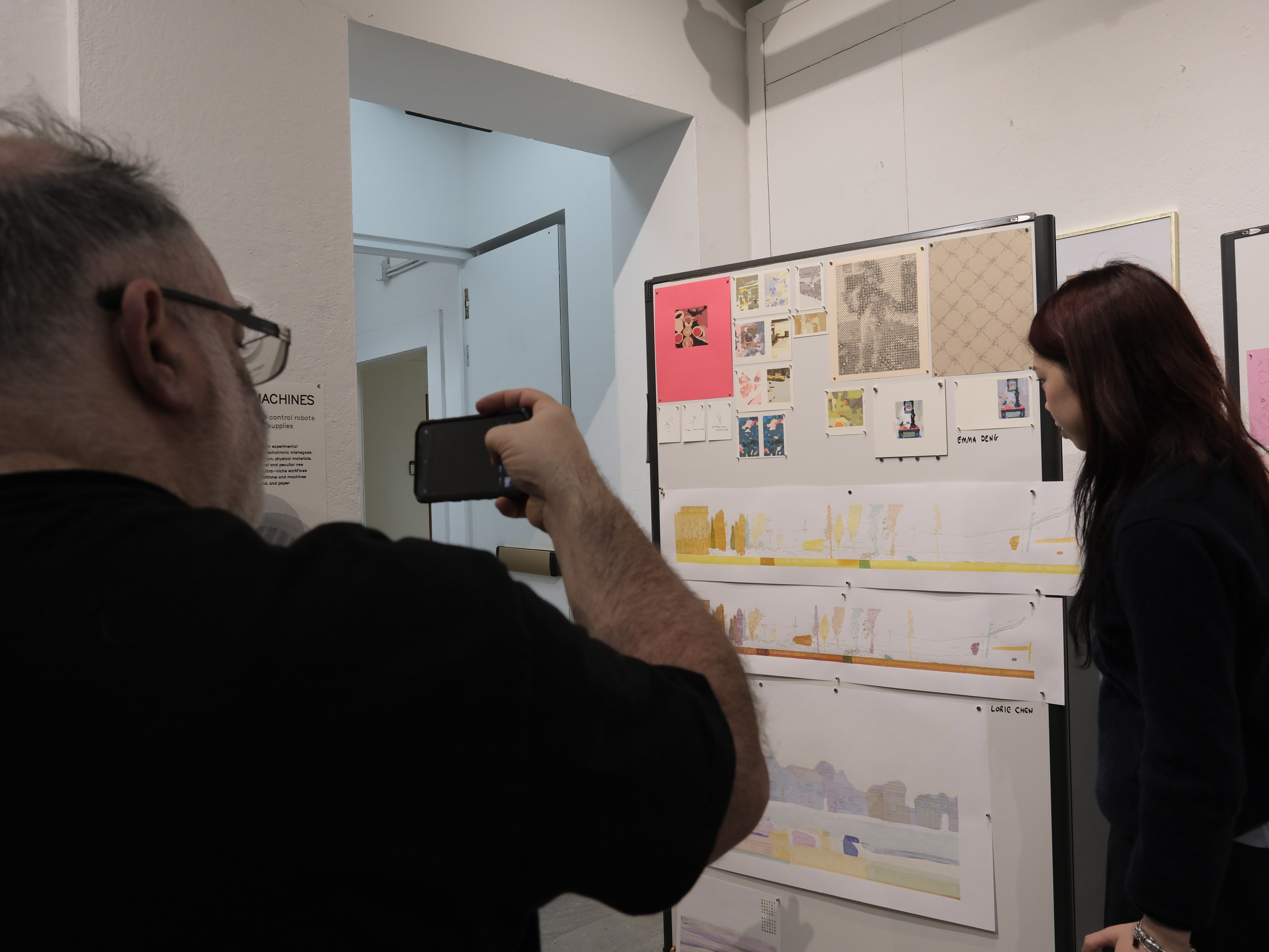
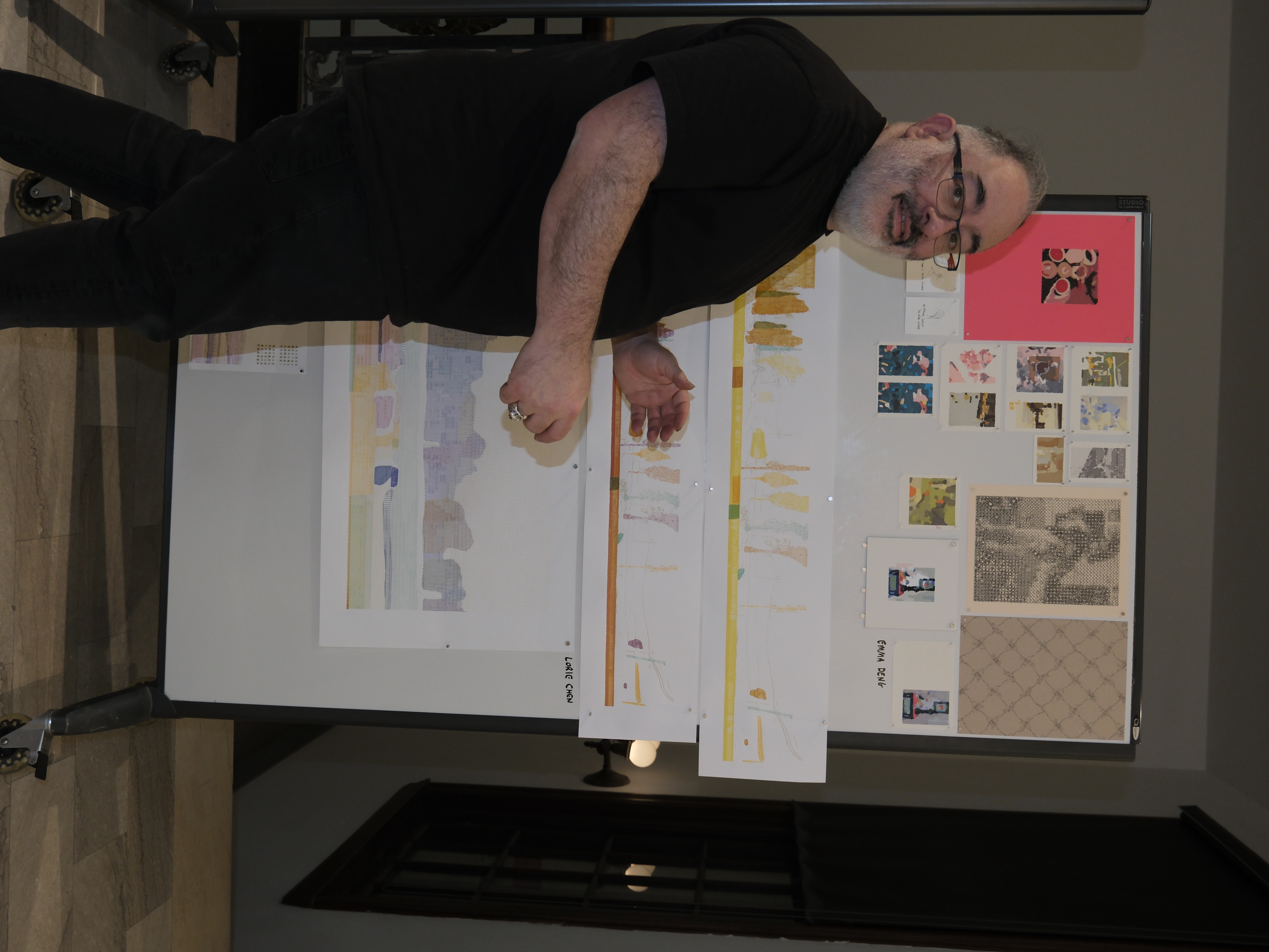
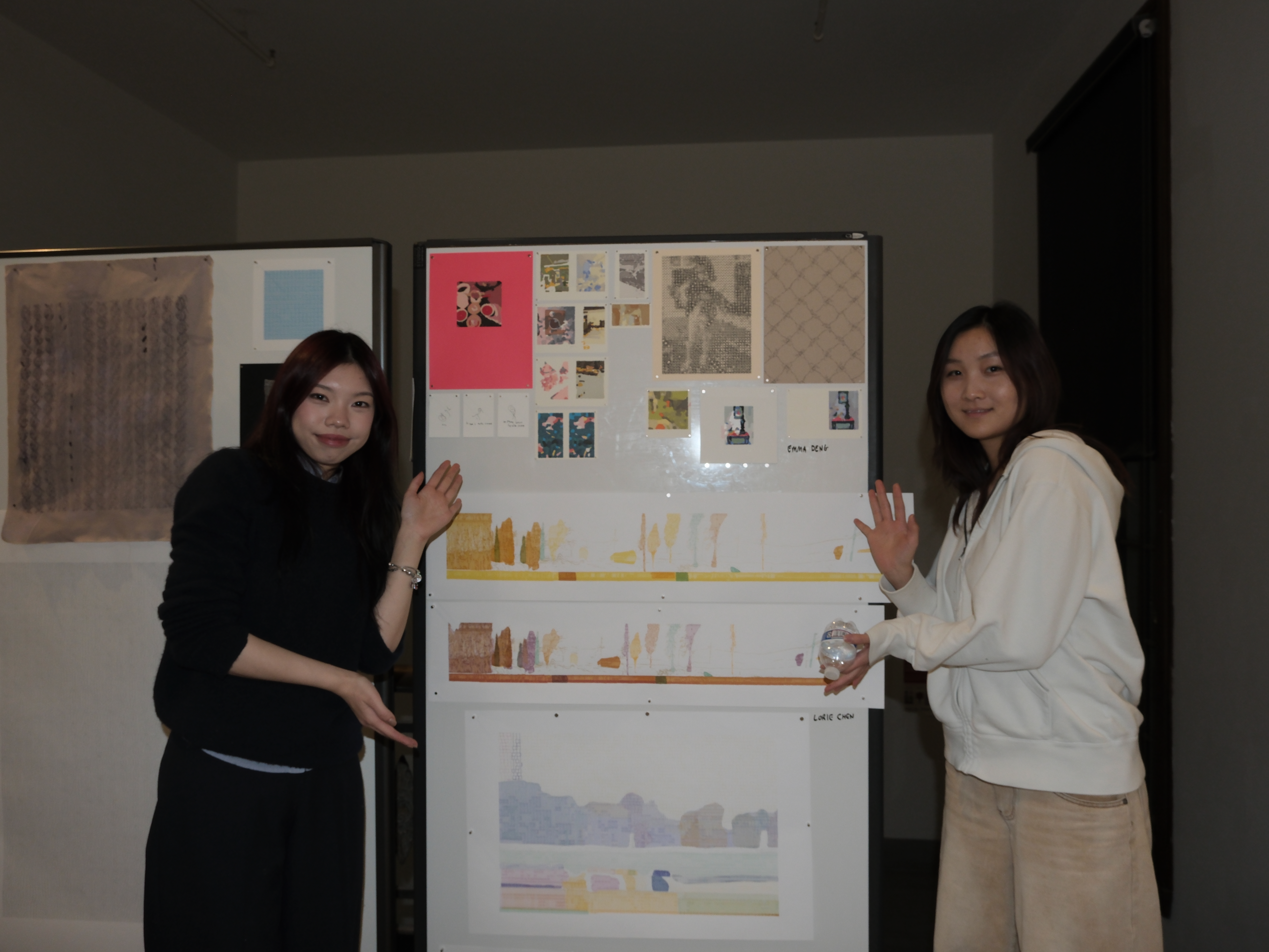
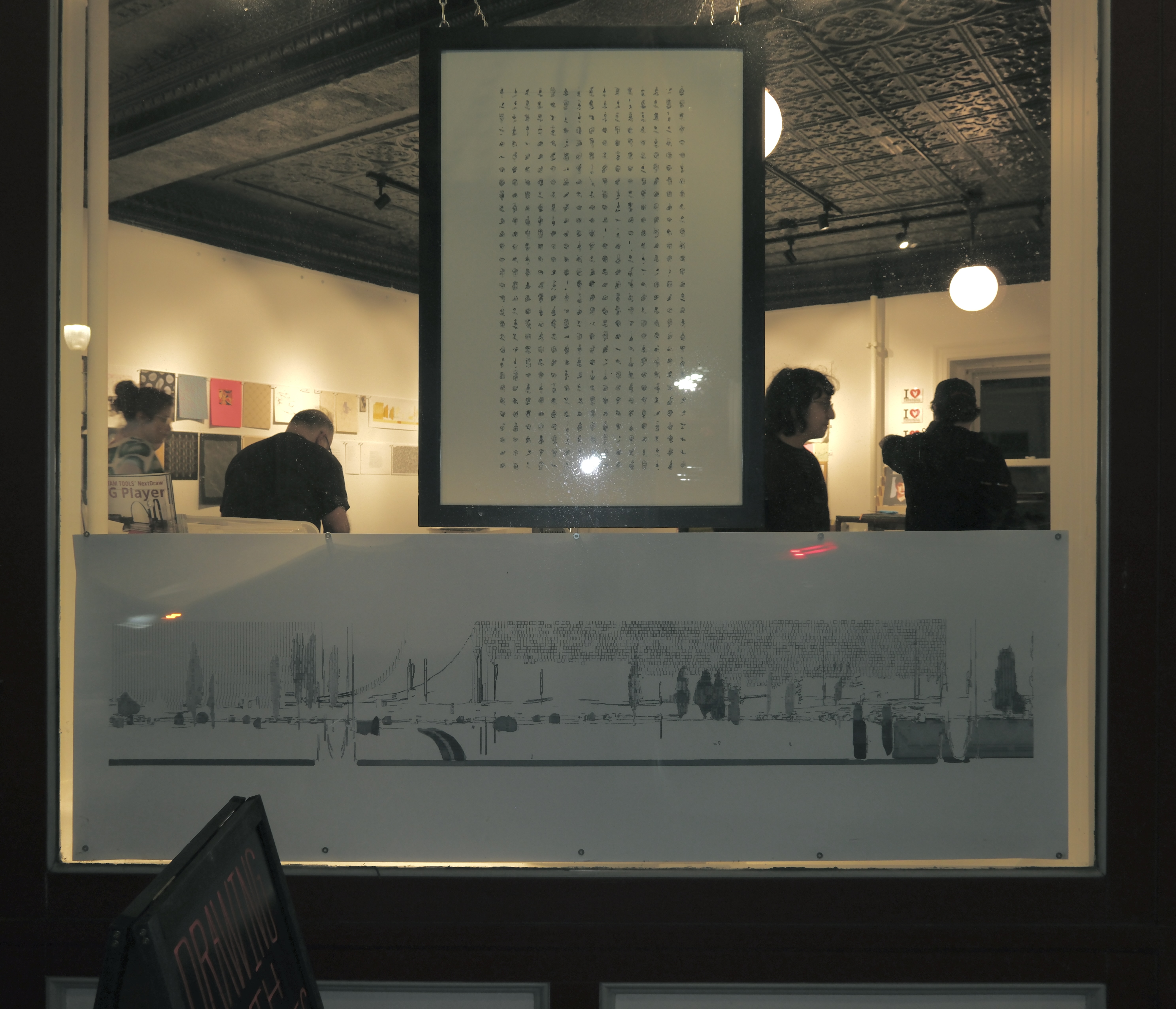
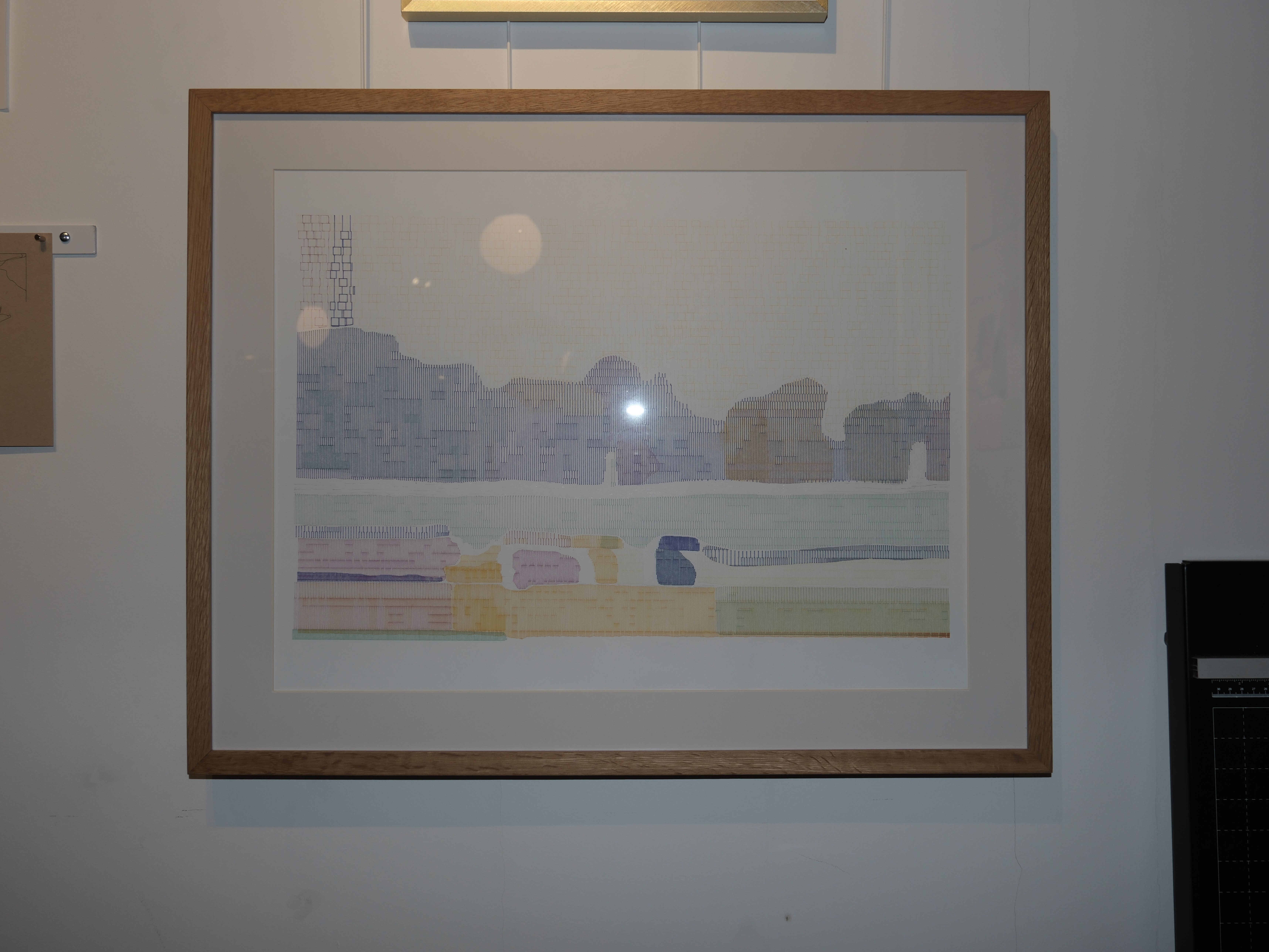
The same material was rendered physically for Golan Levin's Drawing with Machines studio: slit scans extracted via ffmpeg, SAM segmentation to isolate moving elements, and SVGs generated with halftone hatching via vsketch and vpype, plotted on an HP Draftmaster and a USCutter MH871 using watercolor pens, Posca markers, and Micron pens. Yupo paper with watercolor proved most effective — the synthetic surface takes pigment differently than paper, and the plotter's consistent pressure produces a mark quality I couldn't replicate by hand. The results look like damaged signal or compressed memory, which is approximately what they are.
Findings
Models trained to identify ordinary categories became most interesting at their edges: snow masks exposed pedestrian desire paths, slit scans turned time into landscape, and plotting translated digital certainty into pigment bleed and mechanical error. The mistakes carried more information than a clean reconstruction.
Implications
Creative vision tools could expose intermediate representations—masks, tracks, calibration, temporal slices—as editable materials. That would let artists steer how a model sees, then move fluidly from video analysis to images, spatial scenes, or physical output.
documentation