Question
How can institutions digitize objects that break conventional photogrammetry?
Context
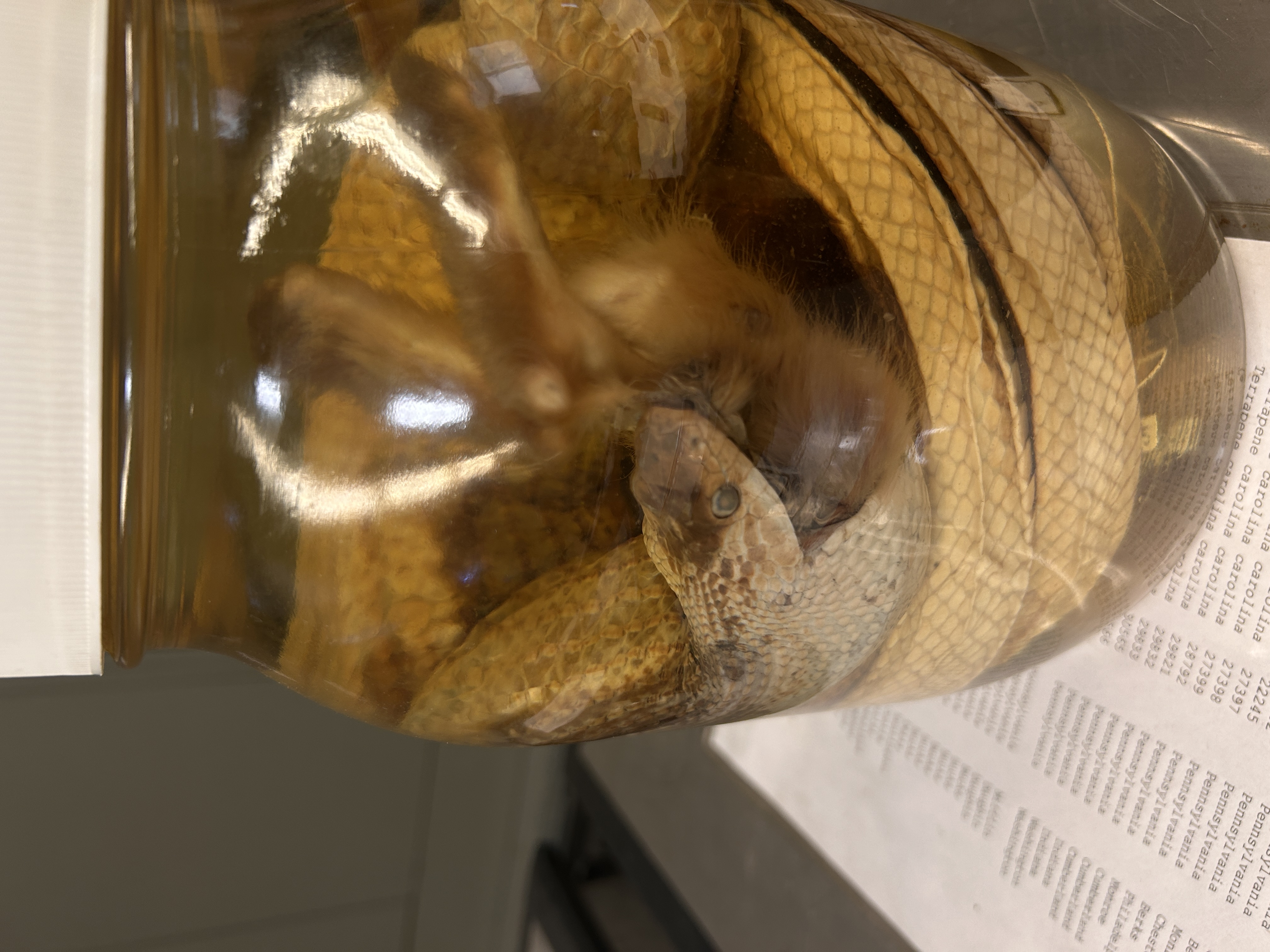
Traditional photogrammetry fails on glass and liquid. The reflective and translucent surfaces that make wet specimens so visually compelling produce garbage point clouds — scattered geometry, missing detail, surfaces that aren't there. I started this project to figure out what it would actually take to digitally preserve natural history collections housed in ethanol.
Experiment & technical approach
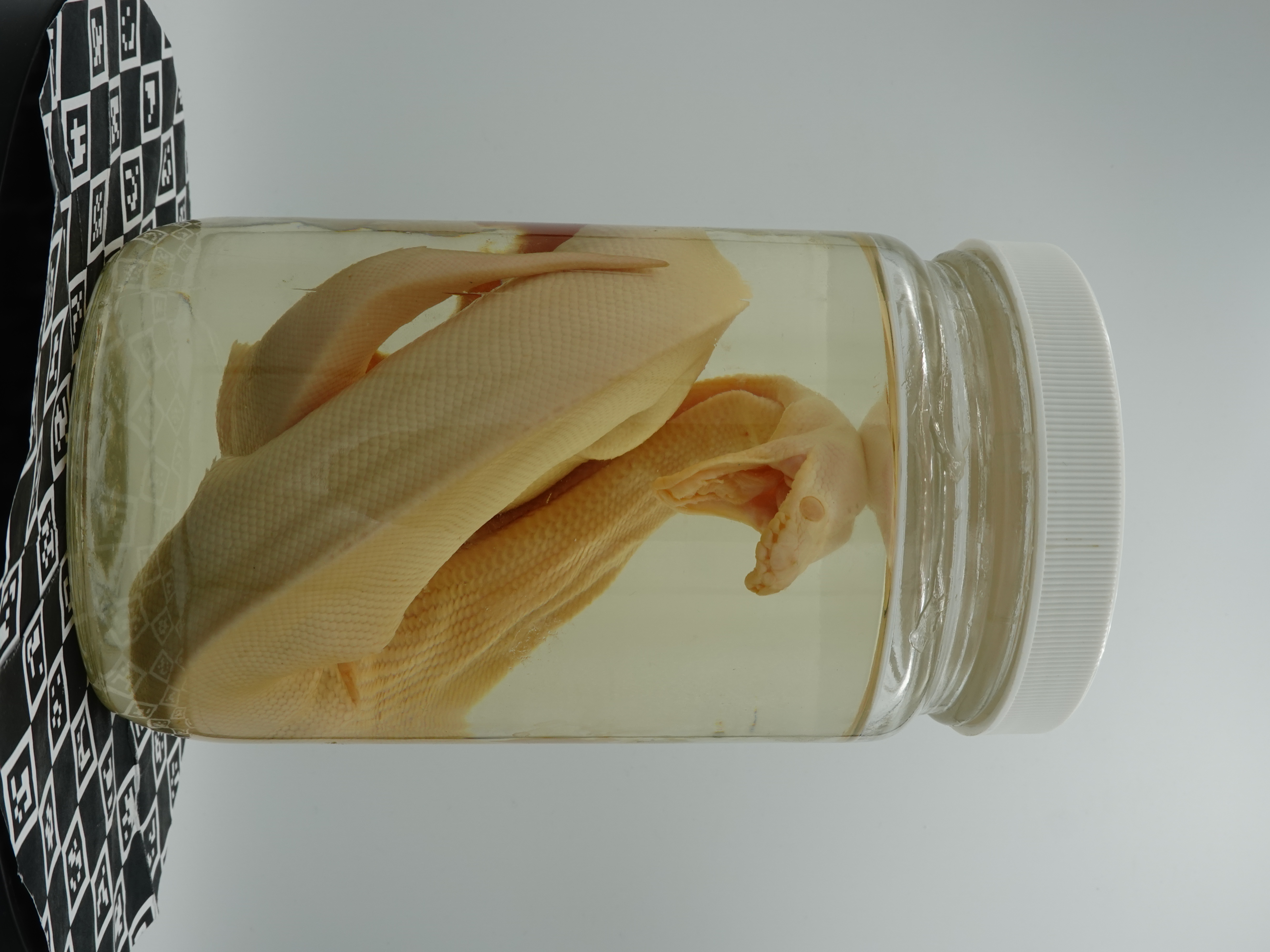
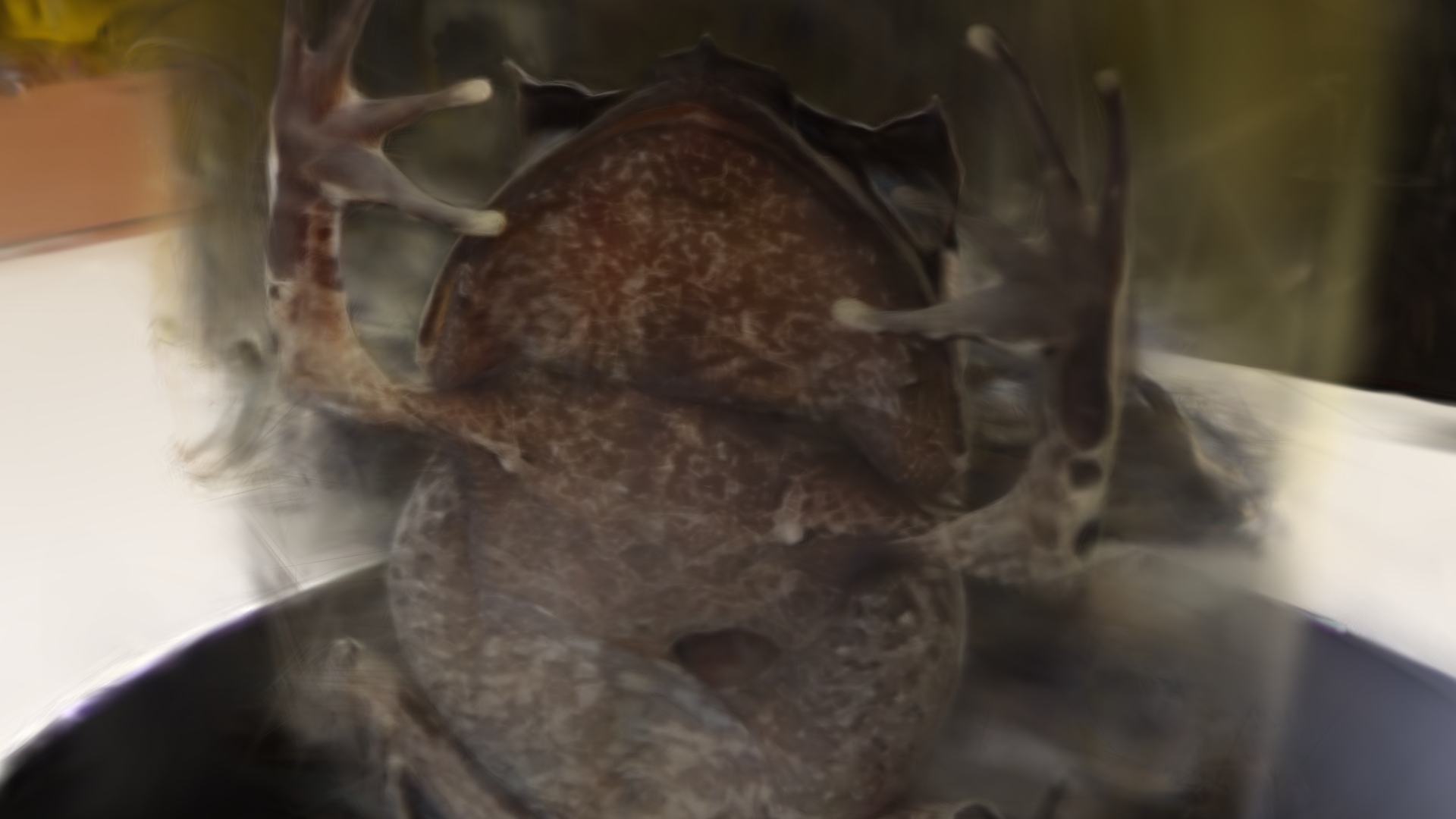
The answer turned out to be 3D Gaussian Splatting. Unlike NeRFs, which bake scene appearance into a neural network, 3DGS represents a scene as oriented Gaussian "blobs," each with its own opacity and color. It's unusually good at shiny, transparent, complicated scenes — exactly the conditions inside a specimen jar.
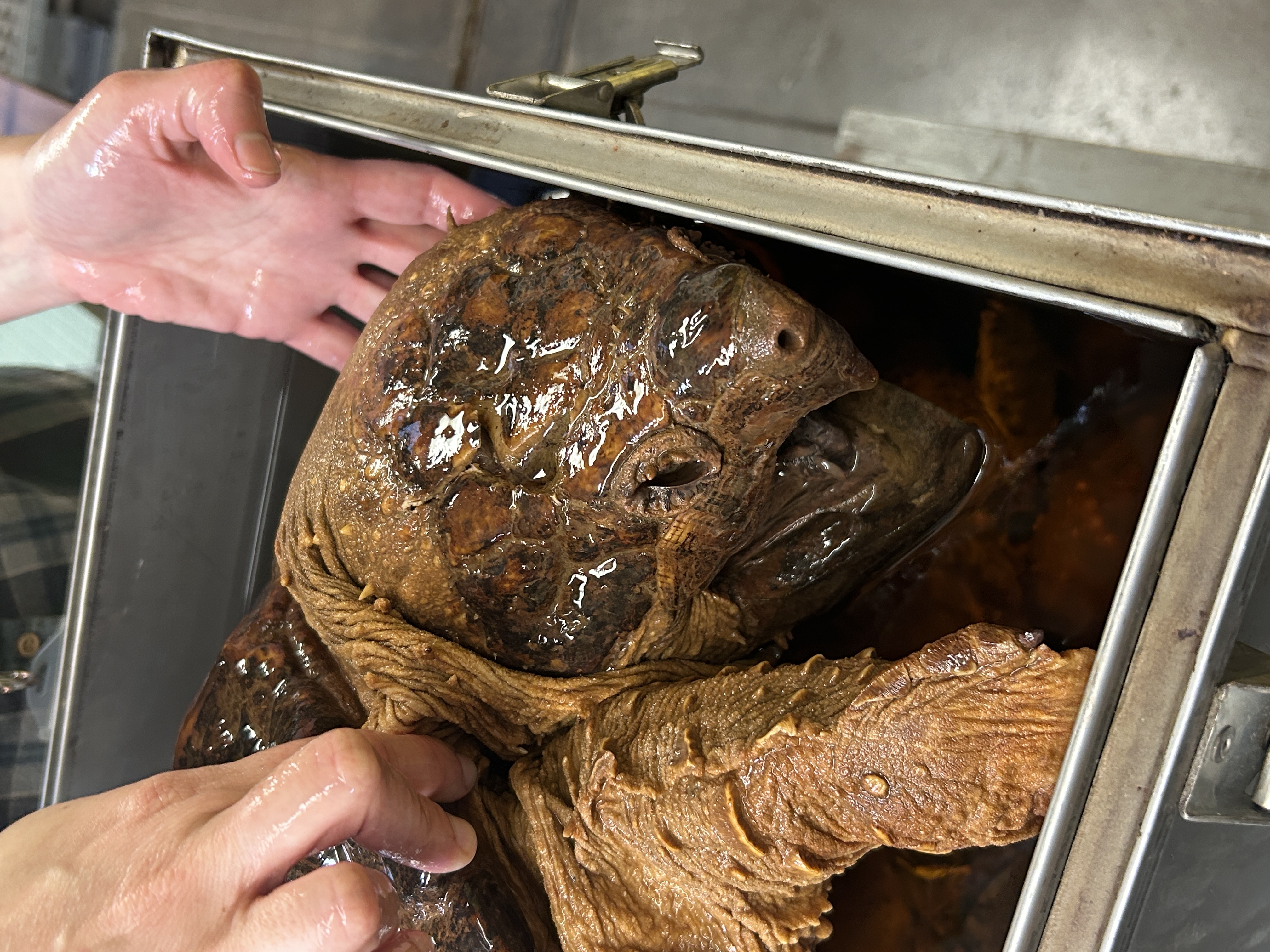
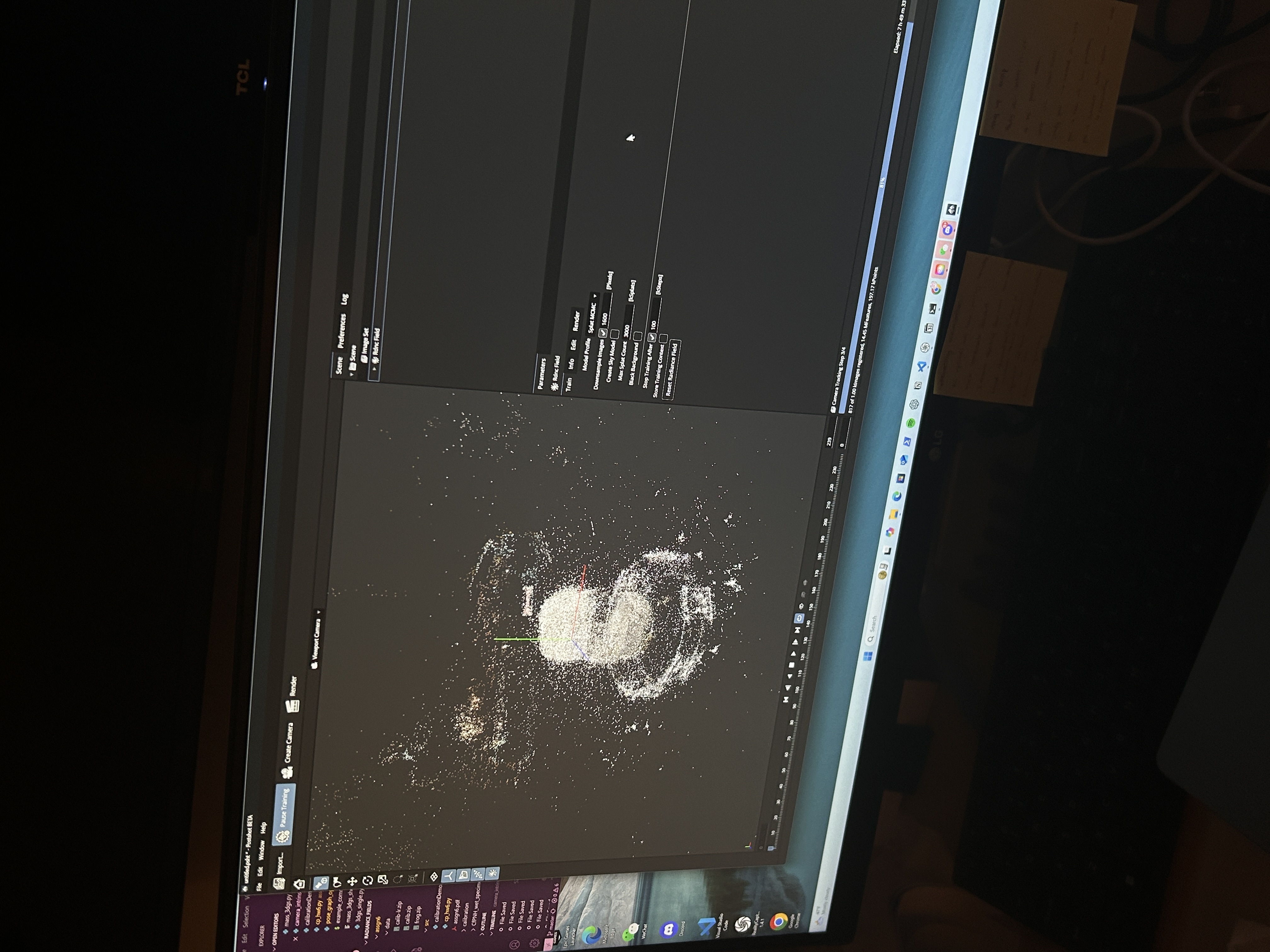
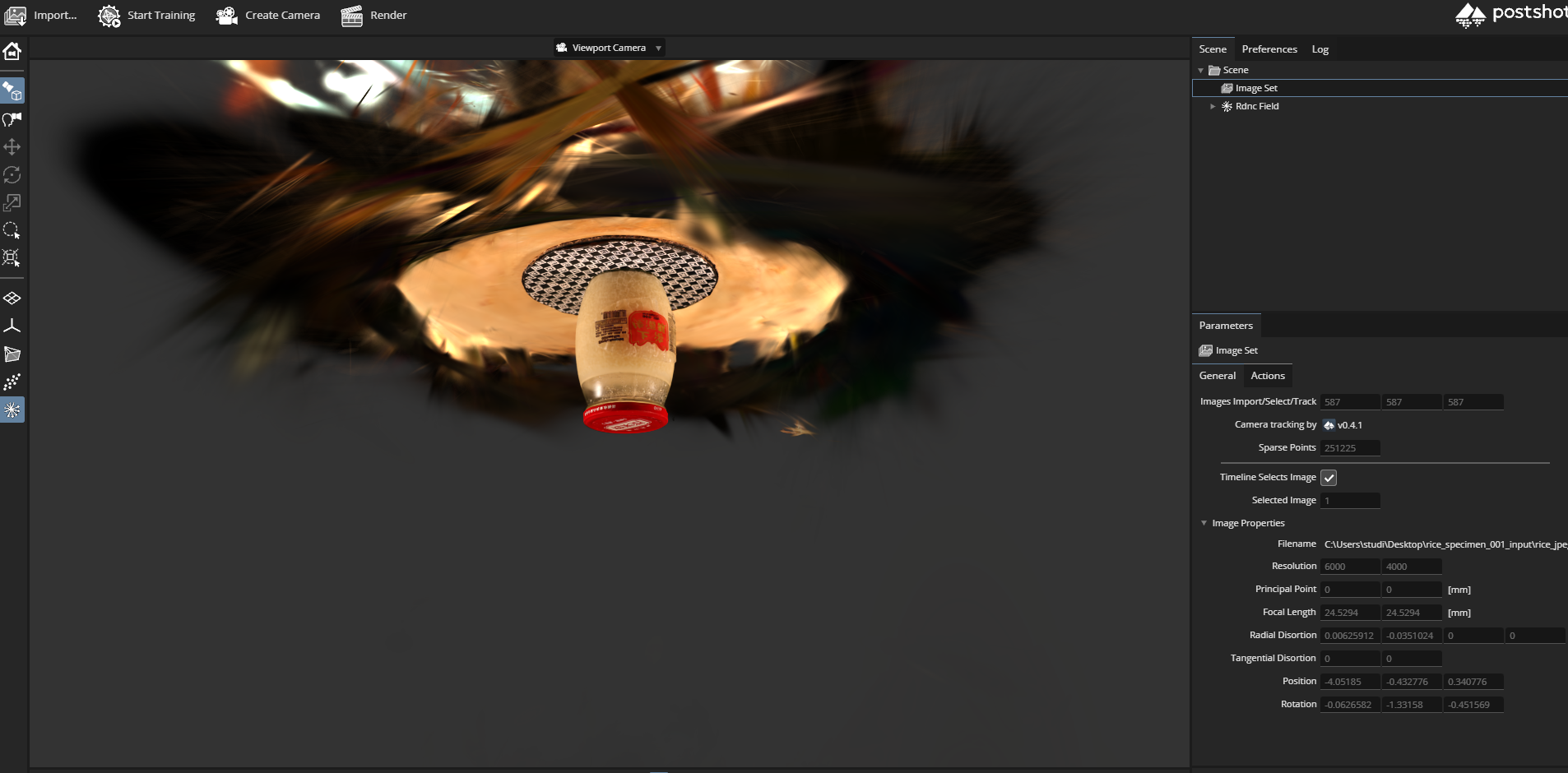
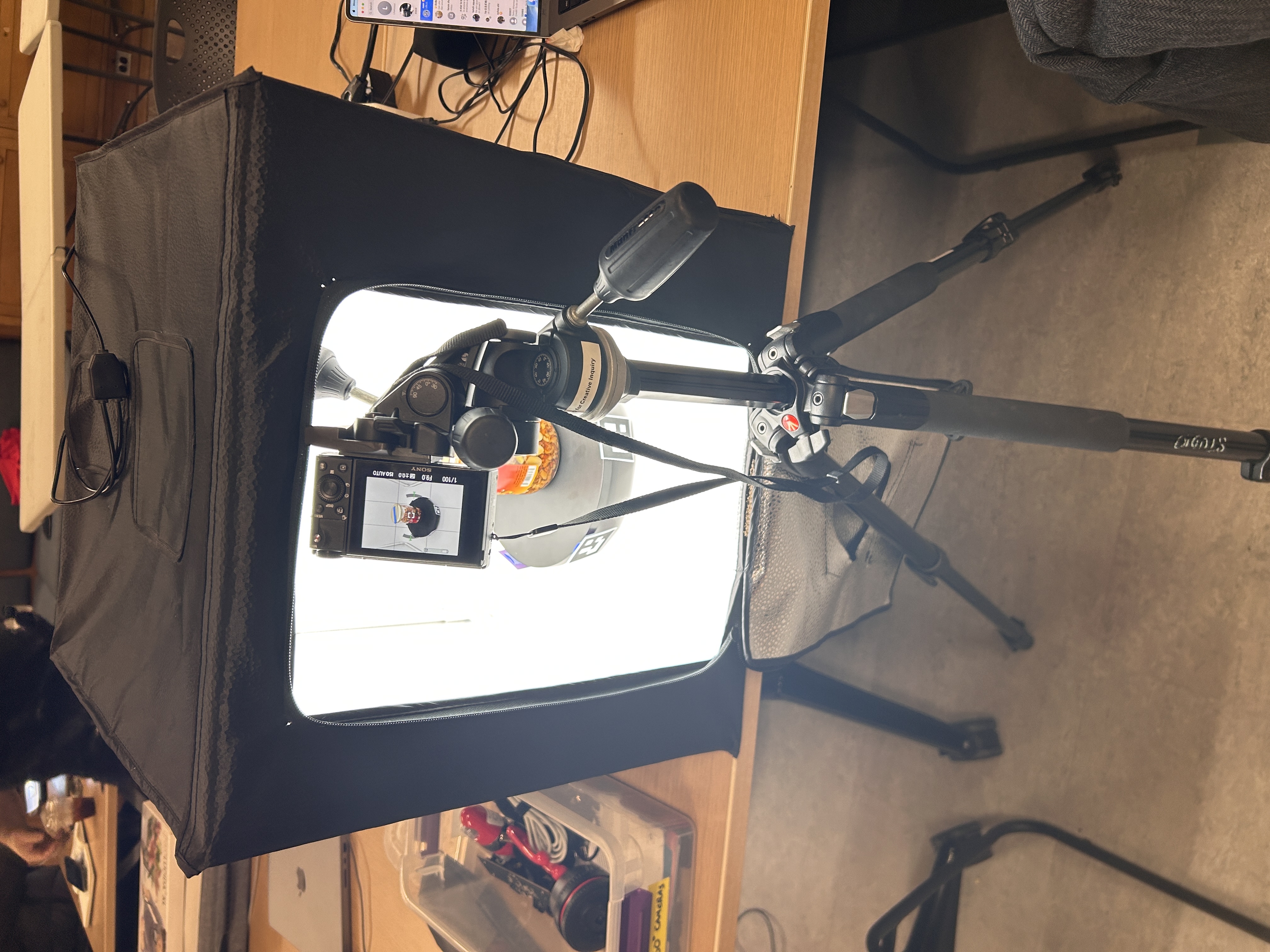
I worked with collections at the Carnegie Museum of Natural History and the Center for PostNatural History, capturing specimens with Polycam and processing them through both commercial (Postshot) and open-source (nerfstudio, COLMAP) pipelines. The project is ongoing: the goal is a workflow robust enough to hand off to collection stewards who don't want to think about Gaussians.
Findings
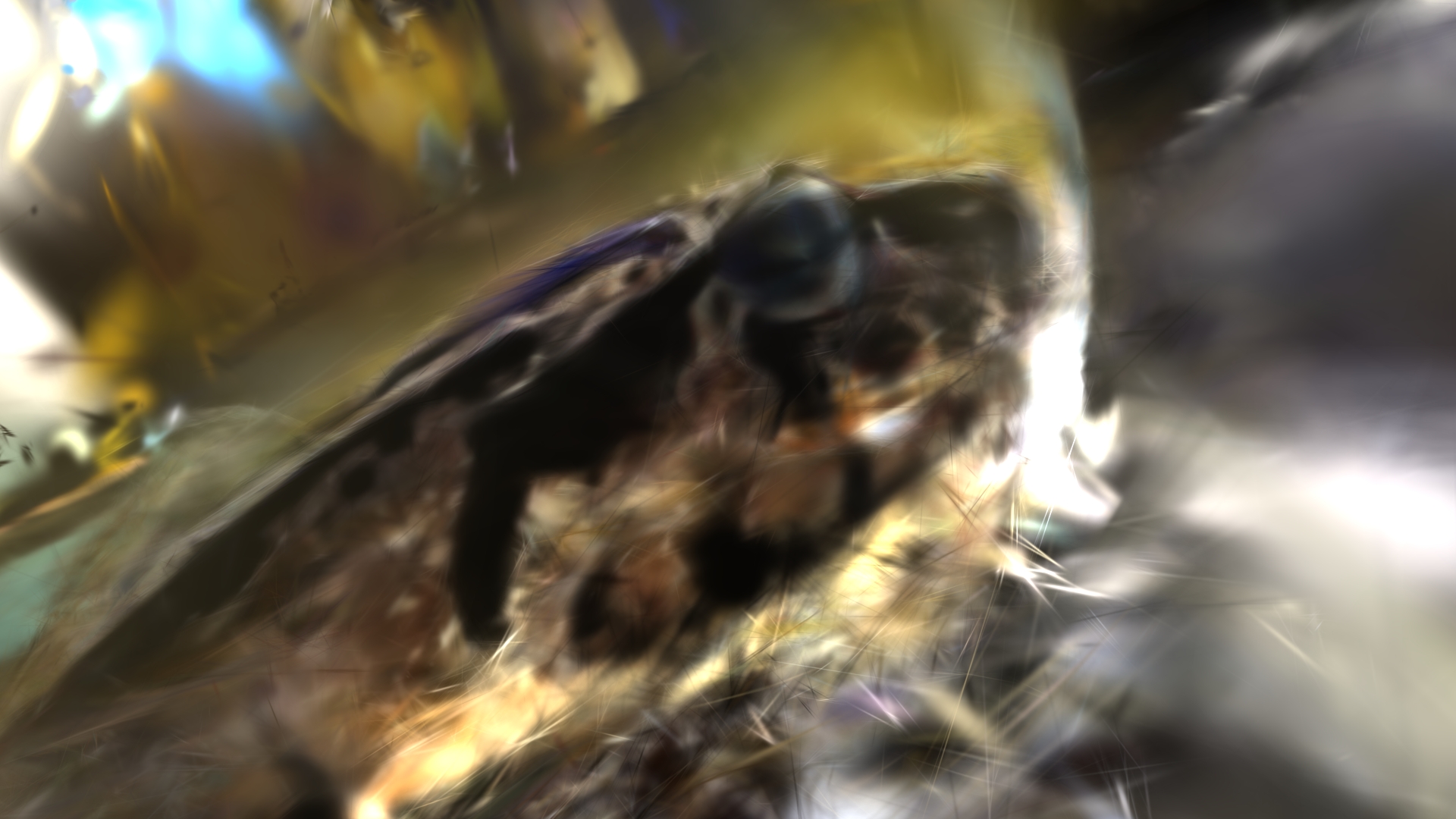
Gaussian splatting preserved view-dependent reflections and translucency that photogrammetry treated as faulty geometry. The remaining bottleneck is operational rather than visual: capture coverage, processing choices, file size, and browser delivery still demand too much tacit technical knowledge.
Implications
A useful collection product would guide non-specialists through capture, flag missing views, choose sensible reconstruction settings, and publish a lightweight result. The opportunity is not merely a better scan, but a handoff-ready workflow that collection stewards can own.
documentation